
Fit the space. Respect the clearances.
Physical fit is one part of choosing climate equipment. Airflow, mounting, connections and model-specific safety clearances need their own checks.
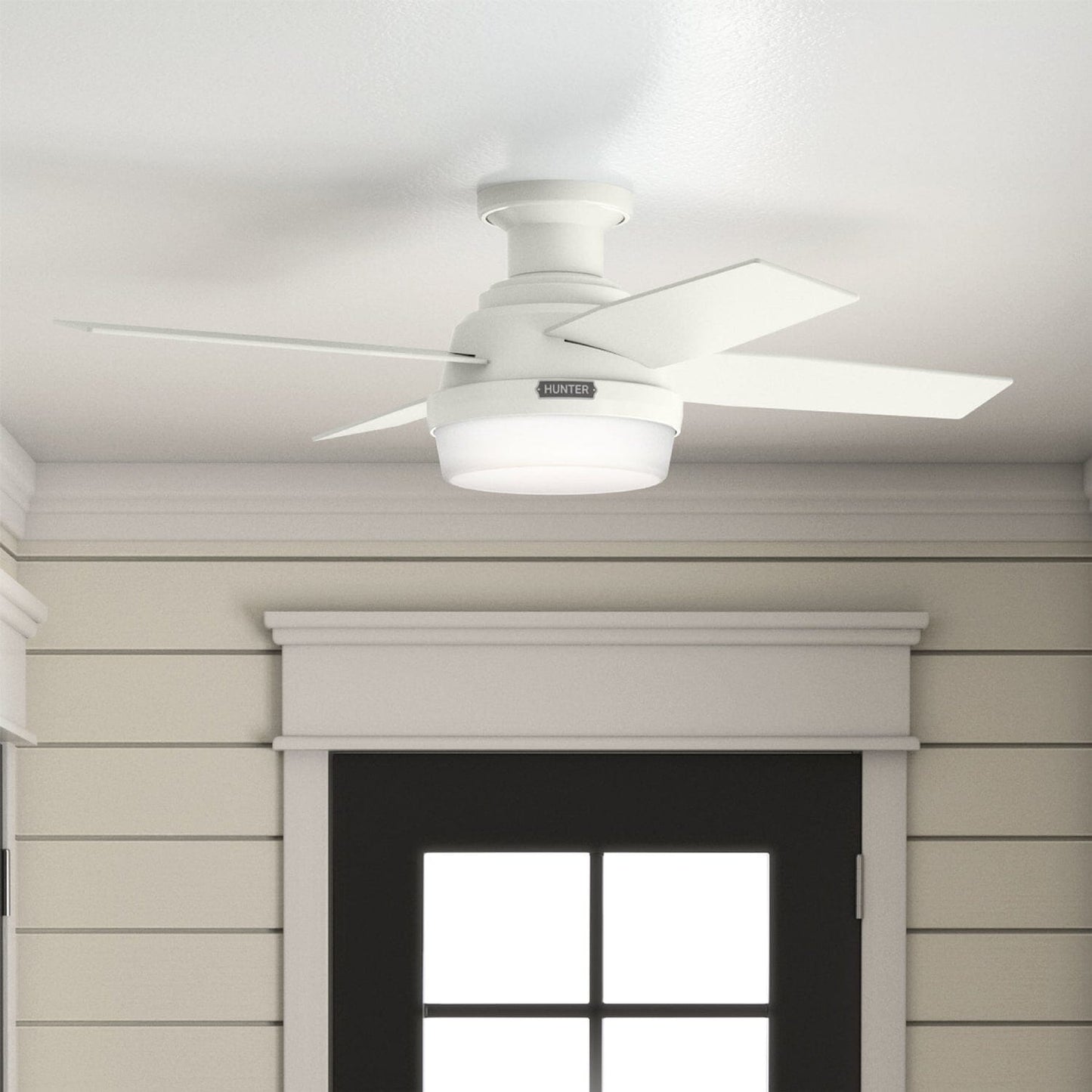
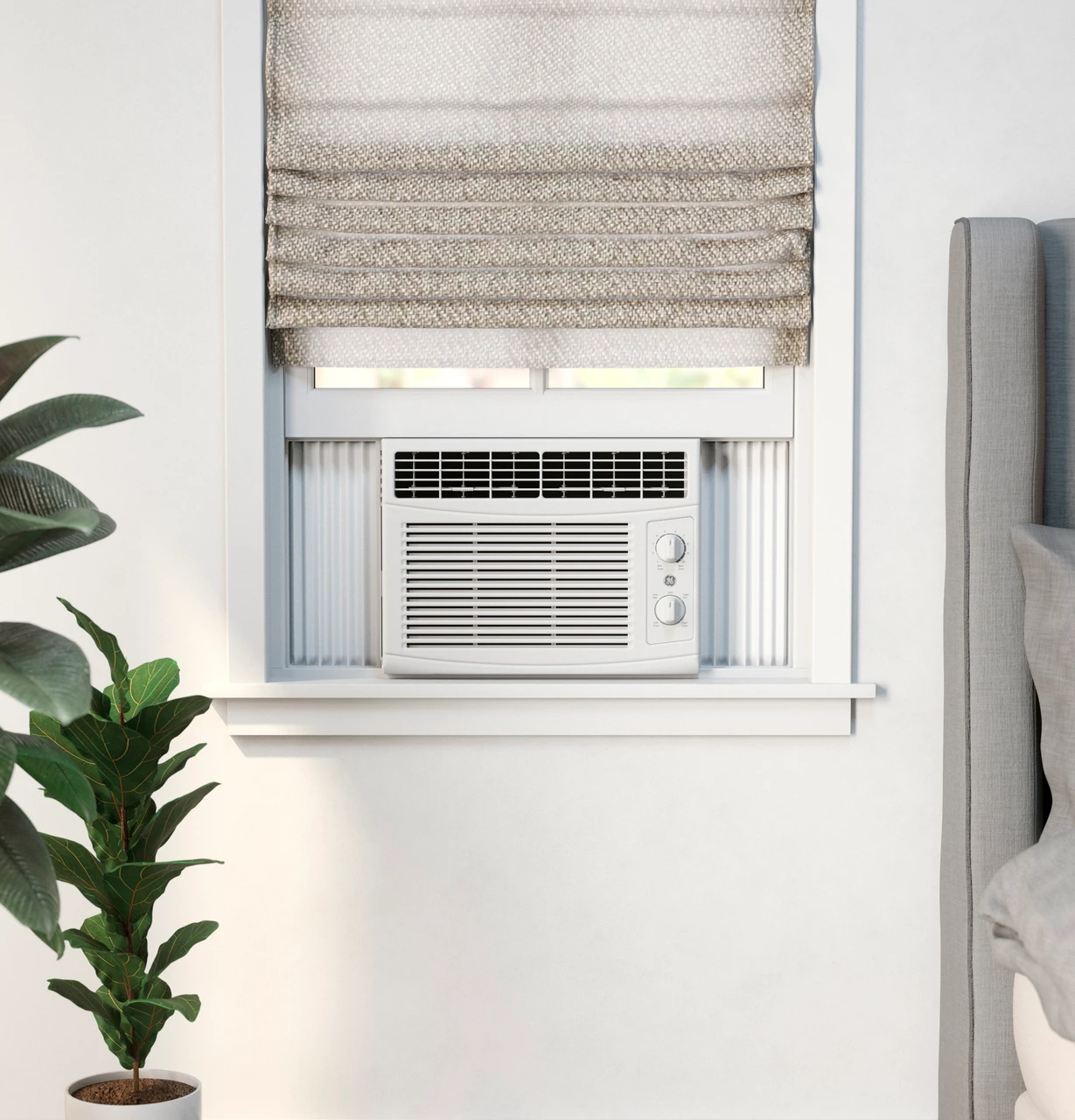
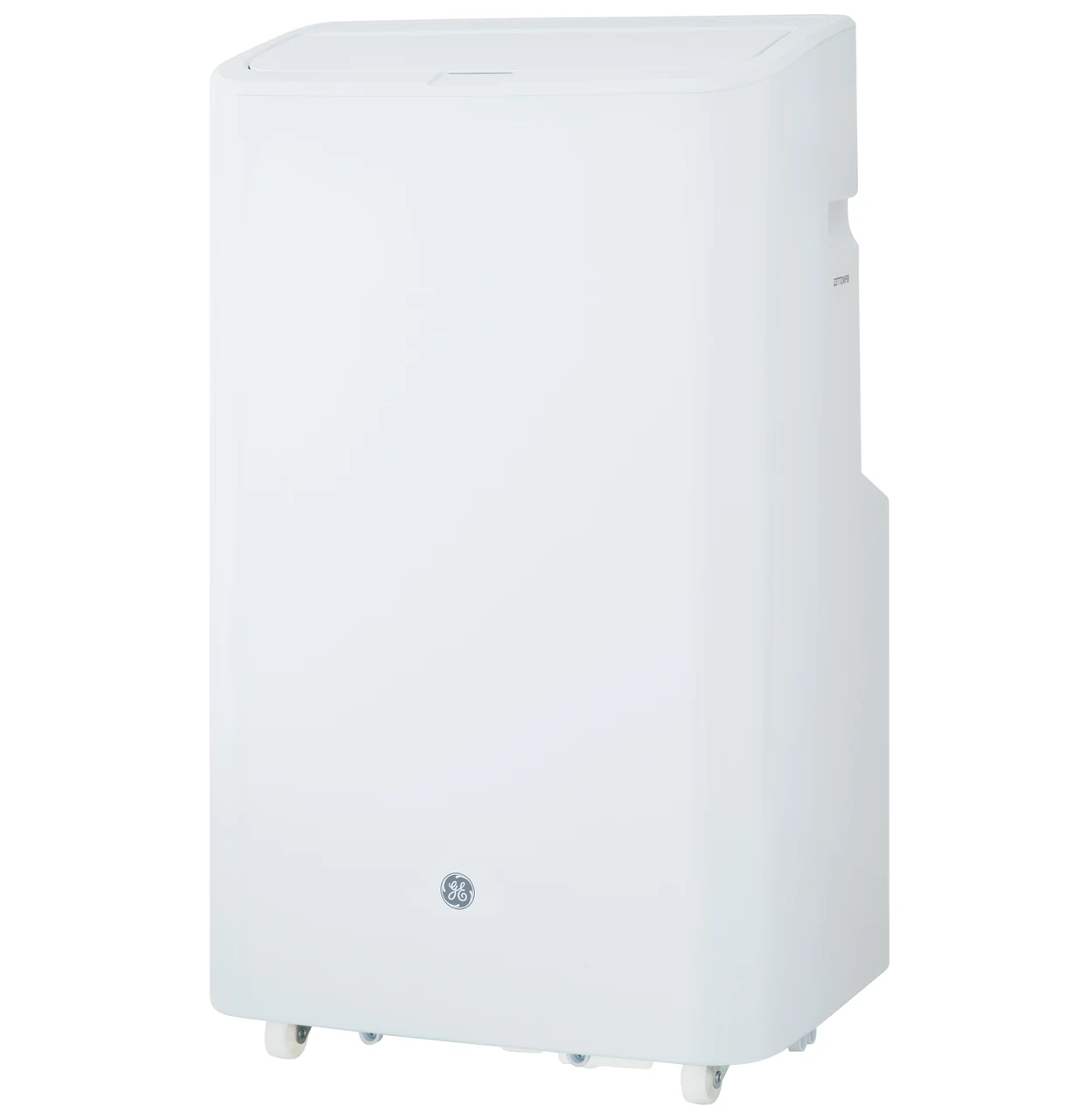
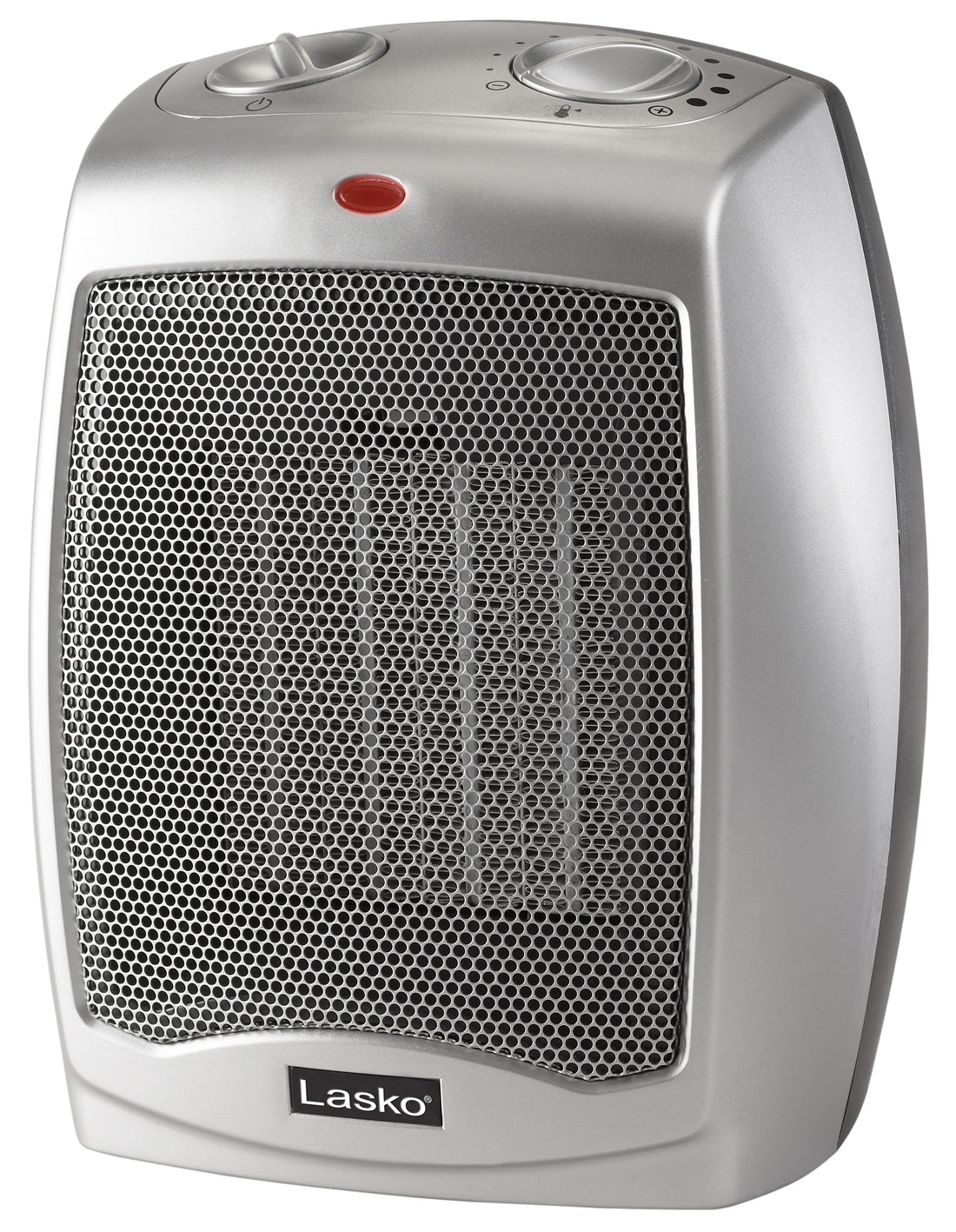
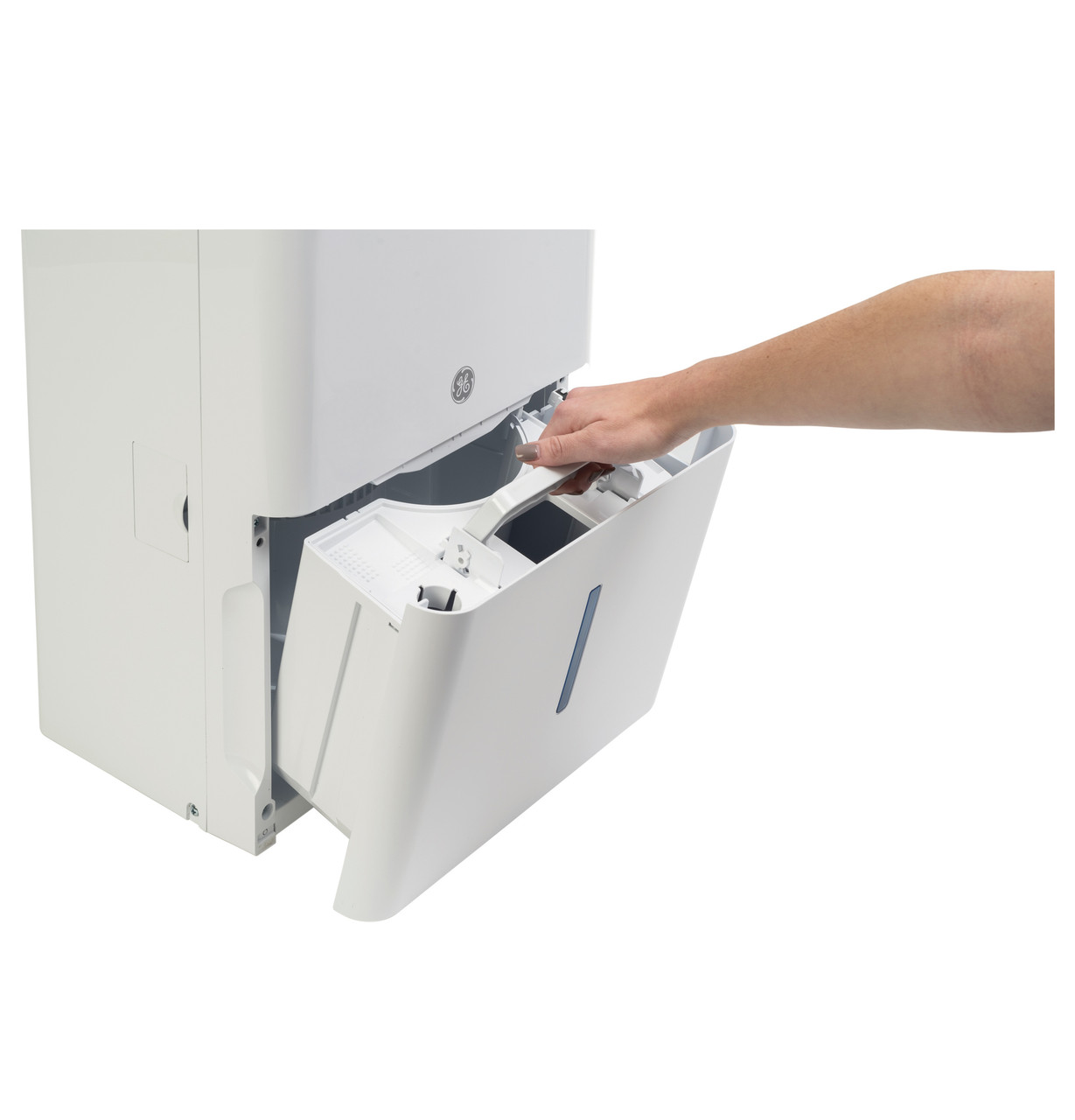
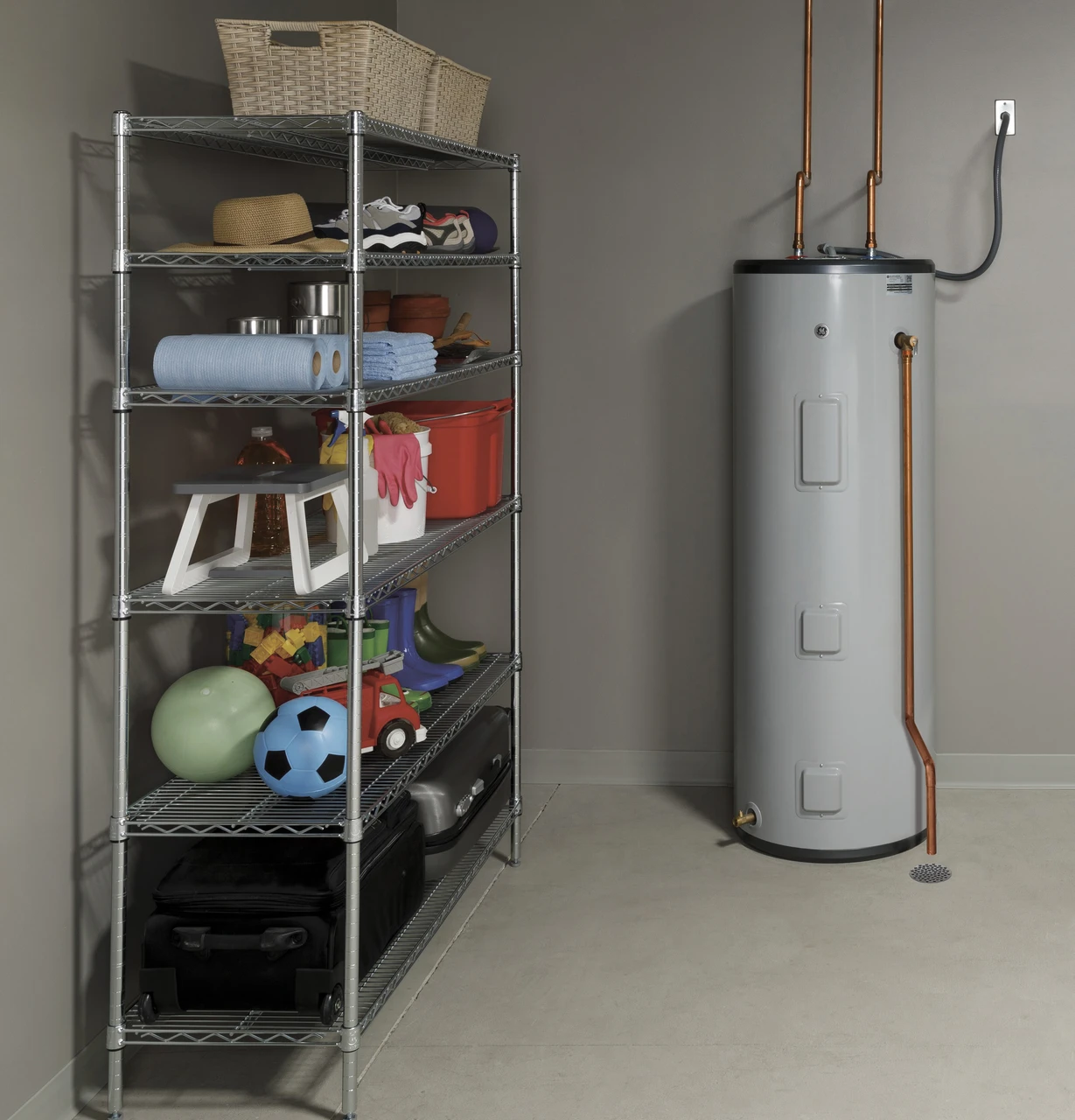
Reference product photos: Hunter, GE and Lasko. Photo sources ↗
Check all three dimensions.
Compare a measured item with your available space. Add the total extra room required on each axis from the exact manual or your own working-space plan.
Enter the available width, height and depth to compare.
With extra-room fields blank, this checks the body envelope only. Door swing, ventilation, connections, safe operating clearances and delivery turns require separate checks.
Planning your cooling & heating space
Measure the installation point
For window equipment, record the usable opening and its construction, rather than the outside frame alone. For a ceiling fan, record ceiling height and nearby obstacles. For floor equipment, identify the space that remains after doors and furniture move.
Leave the required operating space
Air inlets, outlets and service panels must stay accessible. Exhaust hoses and drainage routes need to work in the chosen position. There is no single clearance that is correct for every heater, air conditioner or dehumidifier. Follow the exact model’s manual.
Size is not capacity
A cabinet dimension does not tell you whether equipment can heat, cool or dehumidify a room adequately. Capacity, installation suitability and electrical requirements are separate checks. A footprint preview cannot certify an installation or replace a qualified assessment where one is needed.
Make a record before you compare
Write down the item’s full width, height and depth, the available space, and any opening it must pass through. Keep the manufacturer’s dimension drawing with these notes. Measure again after allowing for trim, skirting, doors and anything else that reduces the usable space.
Before you decide
Can a size name confirm that an item fits?
No. A nominal size can refer to a screen diagonal, a product class or a capacity. Use the exact model’s external dimensions and its installation instructions. The TV chart calculates screen dimensions only.
What if the item just fits the opening?
A matching width leaves no margin for measurement error or the clearances required by the model. Check height, depth, working space and the delivery route separately. A straight opening check cannot prove that an item will turn around a corner.
Where should I find product measurements?
Start with the manufacturer’s specification sheet and installation manual for the exact model code. Check whether each drawing includes handles, stands, open doors or packaging. Keep those different measurements separate.